Tag Archive for: DNA

How Scientist Decoded The Human Genome

Discover & Learn: One Comic A Time

The Story of Human Genome Project


The Code Inside You

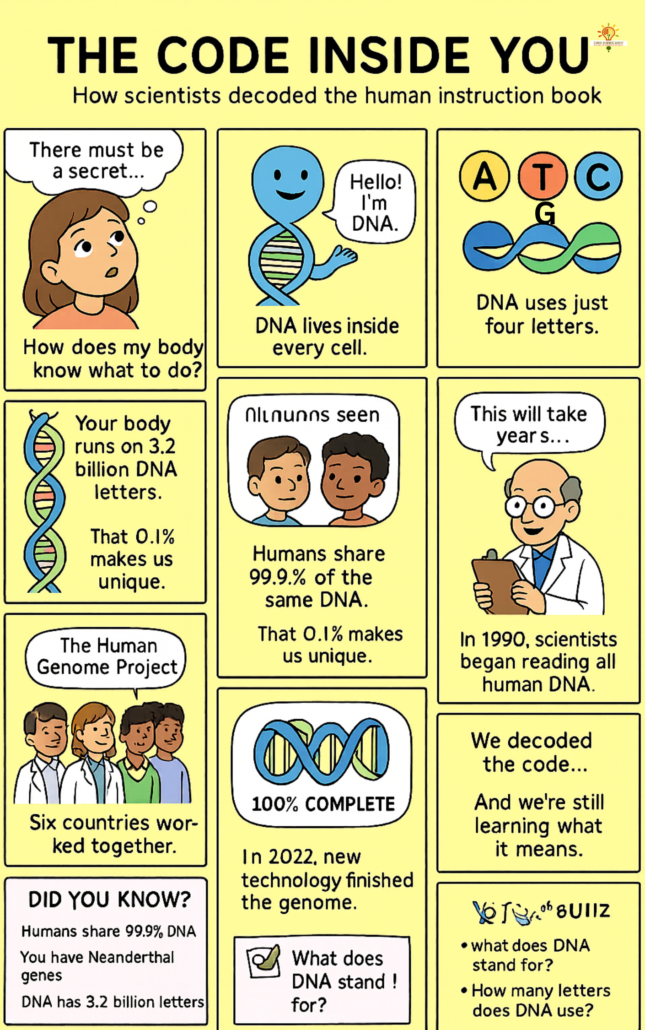
This colourful comic explains how DNA works and how scientists decoded the human genome. It shows that DNA lives inside every cell and is written using just four letters i.e. A, T, C, and G. Although humans look different, we share 99.9% of the same DNA.

The comic also highlights the Human Genome Project, where scientists from around the world worked together to read all 3.2 billion DNA letters in the human body. Completed with new technology in 2022, this discovery helps doctors improve treatments, understand diseases, and learn more about human history.

This comic helps students see how their bodies run on a tiny code and how science is still learning to read it.


The Mystery in Photo 51: Rosalind Franklin

Discover & Learn: One Comic At A Time!


The Mystery in the Photo: Rosalind Franklin’s Hidden Legacy

DNA_MYSTERY

In 1952 at King’s College London, Rosalind Franklin captured one of the most important images in scientific history the famous Photo 51. This X-ray diffraction photo revealed the striking “X” pattern, unlocking the secret structure of DNA, the blueprint of life itself. While her ground-breaking contribution laid the foundation for modern genetics and molecular biology, her name was initially left out of the discovery credits. Watson and Crick built their DNA model with insights from her work, but Franklin’s recognition came much later. Today, she is celebrated as a pioneer whose vision and precision inspired generations of scientists. This comic story highlights not just her discovery but also her struggle for acknowledgment in a male-dominated scientific world. Rosalind Franklin didn’t just take a photo but she reshaped humanity’s understanding of life.

Want more comic stories? Let us know in the comments!


Book Review: The Double Helix

The Double Helix: A Personal Account of the Discovery of the Structure of DNA


“The Double Helix” is a captivating memoir that chronicles one of the most significant scientific discoveries of the 20th century: The Structure of DNA. Written by James D. Watson, one of the co-discoverers of the DNA double helix, the book offers an insider’s view of the race to elucidate the secret of life.


Summary:

Watson’s narrative is informal and engaging, making complex scientific concepts accessible to readers who may not have background in molecular biology. The book is not typical dry scientific recounting; instead, it is filled with personal anecdotes, vivid character sketches, and an honest-sometimes brutally so-depiction of the key players involved in the discovery, including Francis Crick, Rosalind Franklin, Maurice Wilkins, and others. Watson portrays the scientific environment of the 1950s, which was competitive and driven by a desire for recognition and prestige.

One of the book’s strengths is its candid and unfiltered style. Watson does not shy away from discussing the interpersonal conflicts, rivalries, and even the ethical dilemmas that arose during the discovery process. His portrayal of Rosalind Franklin, in particular, has been widely discussed and criticized for its perceived sexism and lack of appreciation for her contributions. However, this also opens up discussions about the challenges women faced in science during that era, highlighting the biases that existed.

“The Double Helix” is as much a story of human ambition, ego, and collaborations as it is about a scientific breakthrough. It provides a behind-the-scenes look at how scientific discoveries are made- often messy, driven by chance, competition, and personalities of those involved. While Watson’s perspective is subjective and sometimes controversial, it offers an invaluable glimpse into the nature of scientific discovery.

Overall, “The Double Helix” is a compelling read for anyone interested in the history of science, the discovery of DNA, or the personal dynamics of scientific research. Despite its biases and the controversies it has sparked, the book remains a significant and engaging account of one of biology’s most important moments.
Did You Know Who’s the Father of Indian DNA Fingerprinting?


Did You Know Who’s the Father of Indian DNA Fingerprinting? Meet Dr. Lalji Singh

Have you ever watched a crime show where the police say, “We found the DNA match”?
That’s because of a science method called DNA fingerprinting. And in India, one amazing scientist brought this technology to us. His name was Dr. Lalji Singh, and he is known as the Father of Indian Genetic Fingerprinting.


Who Was Dr. Lalji Singh?

Dr. Lalji Singh was a great Indian scientist. He was born in a small village in Uttar Pradesh in 1947. His family was not rich, but he loved studying science. He worked very hard and followed his dream.

He became one of the top scientists in India.


What Is DNA Fingerprinting?

Every person has a special DNA pattern. It’s like your own secret code. DNA fingerprinting is a method used to find out someone’s identity using their DNA.

It can help in solving crimes, finding missing people, or even checking family relations.

Dr. Lalji Singh was the first person to bring this technology to India. That’s why he is called the Father of Indian DNA Fingerprinting.


How Did He Help India?

Dr. Singh’s work helped India in many important ways:

  • He helped solve many criminal cases using DNA fingerprinting.
  • He helped find the identity of people who died in disasters.
  • He used DNA to protect wildlife and study rare animals.
  • He helped in family disputes by checking DNA for parentage.

More Cool Facts About Him

  • He worked at the Centre for Cellular and Molecular Biology (CCMB) in Hyderabad.
  • He became the Vice-Chancellor of Banaras Hindu University (BHU).
  • He loved science so much that he kept working even after retirement age.

A Thought to Remember

“Science is the key to solving many mysteries — from the crime scene to the jungle.”

This idea is inspired by the amazing work Dr. Lalji Singh did during his life.


Why He Is Important

Dr. Lalji Singh proved that even a person from a small village can change the world with knowledge and hard work. He made India proud and inspired many young minds.

Next time you hear about DNA in the news, remember the Indian scientist who made it all possible — Dr. Lalji Singh.


Rosalind Franklin : The Unsung Hero Who Discovered Double Helix

Rosalind Franklin:

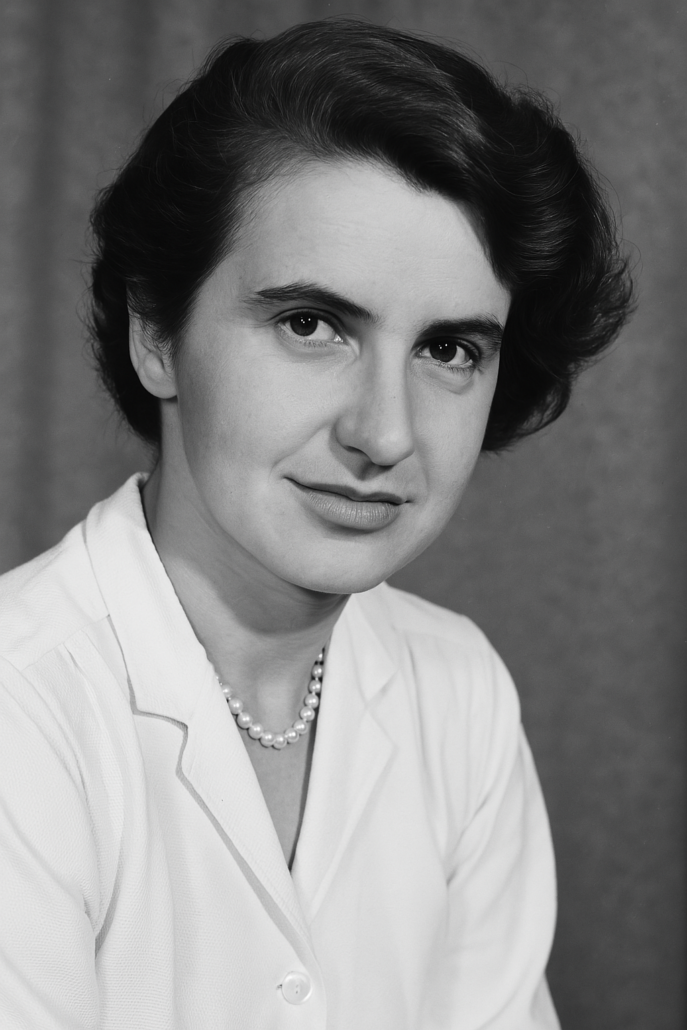
Rosalind Franklin was born on July 25, 1920, in London, England. She showed a strong interest in science and math from a young age. She studied chemistry at Cambridge University, one of the top universities in the world.

Rosalind Franklin’s Achievements:

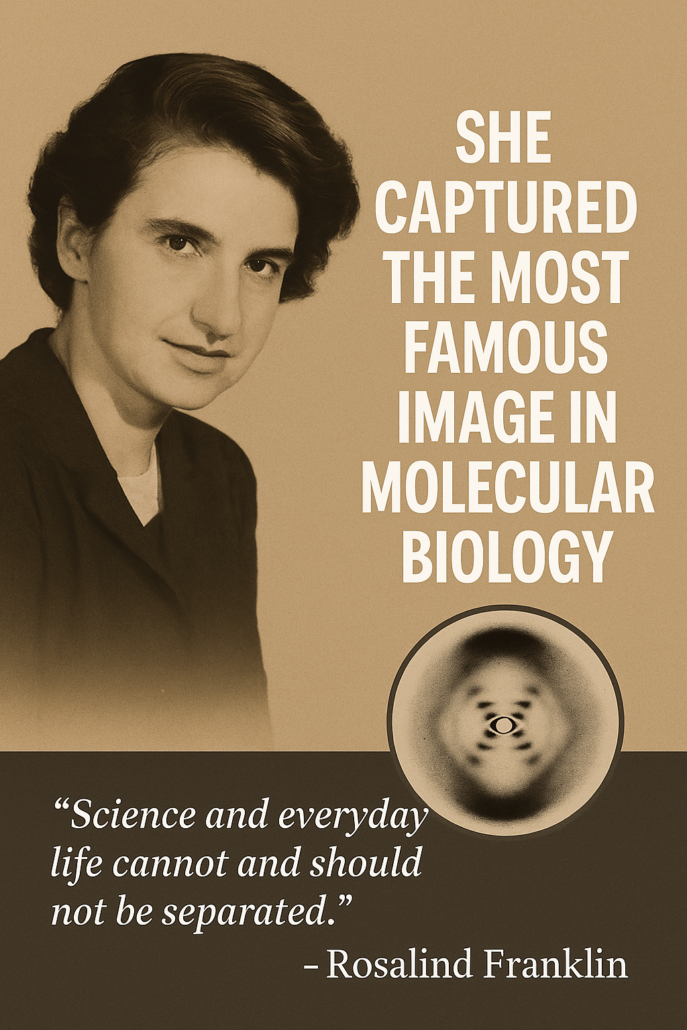
  1. She Captured the Most Famous Image in Molecular Biology Rosalind Franklin took “Photograph 51”, a critical X-ray diffraction image of DNA. This image provided the first clear evidence that DNA has a helical structure, which directly led to the model proposed by Watson and Crick.
  1. She Pioneered Two Fields: DNA and Viruses While she is most famous for her DNA work, Franklin made significant contributions to virology. Her work on the tobacco mosaic virus (TMV) revealed that its RNA is located inside a hollow cylindrical protein shell — a major advancement in understanding viral structure.
  2. Her Work on DNA Was Shared Without Her Permission Maurice Wilkins, a colleague at King’s College, showed Franklin’s Photograph 51 to James Watson without her knowledge. This played a crucial role in Watson and Crick’s double helix model — yet Franklin wasn’t credited properly at the time.
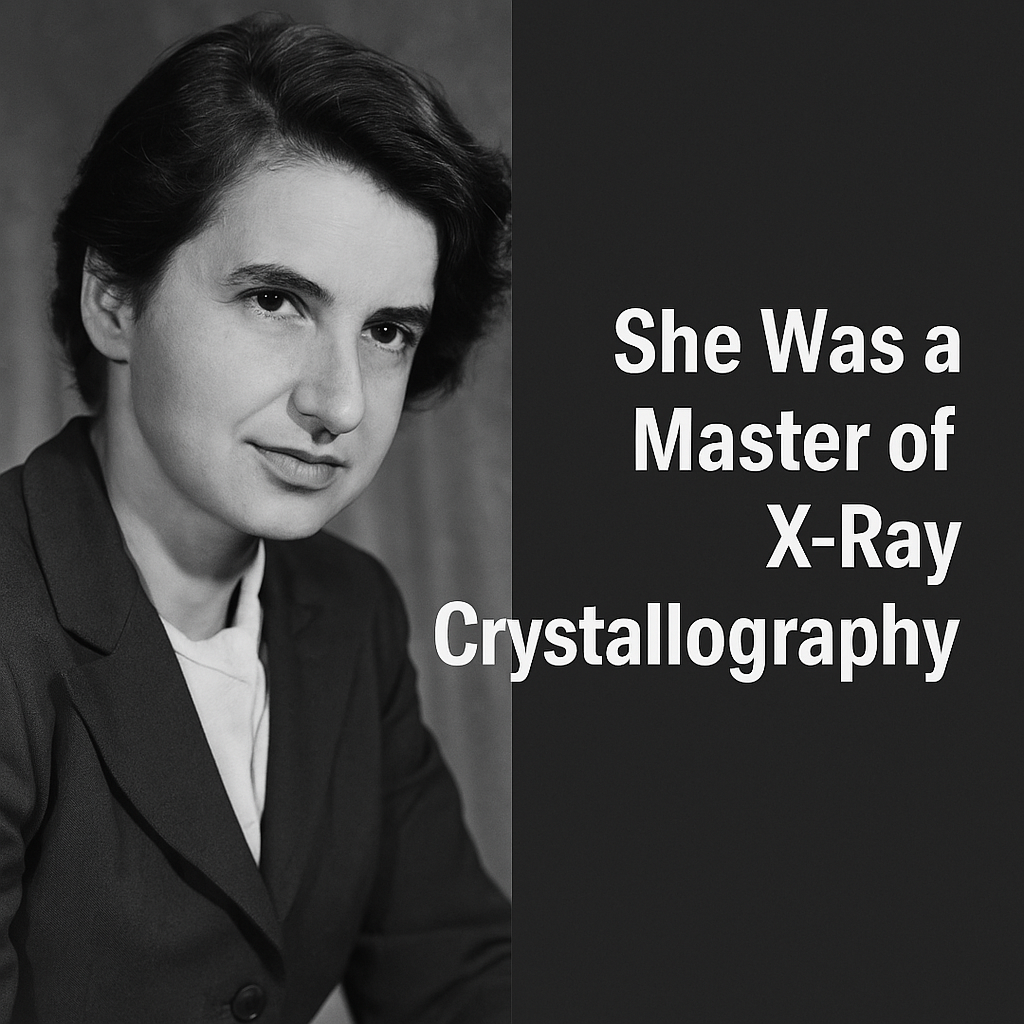
  3. She Was a Master of X-Ray Crystallography Franklin was a world expert in X-ray crystallography, a technique that reveals molecular structure. Her precise and methodical work allowed her to capture incredibly detailed images of complex molecules, including coal, graphite, DNA, and viruses.
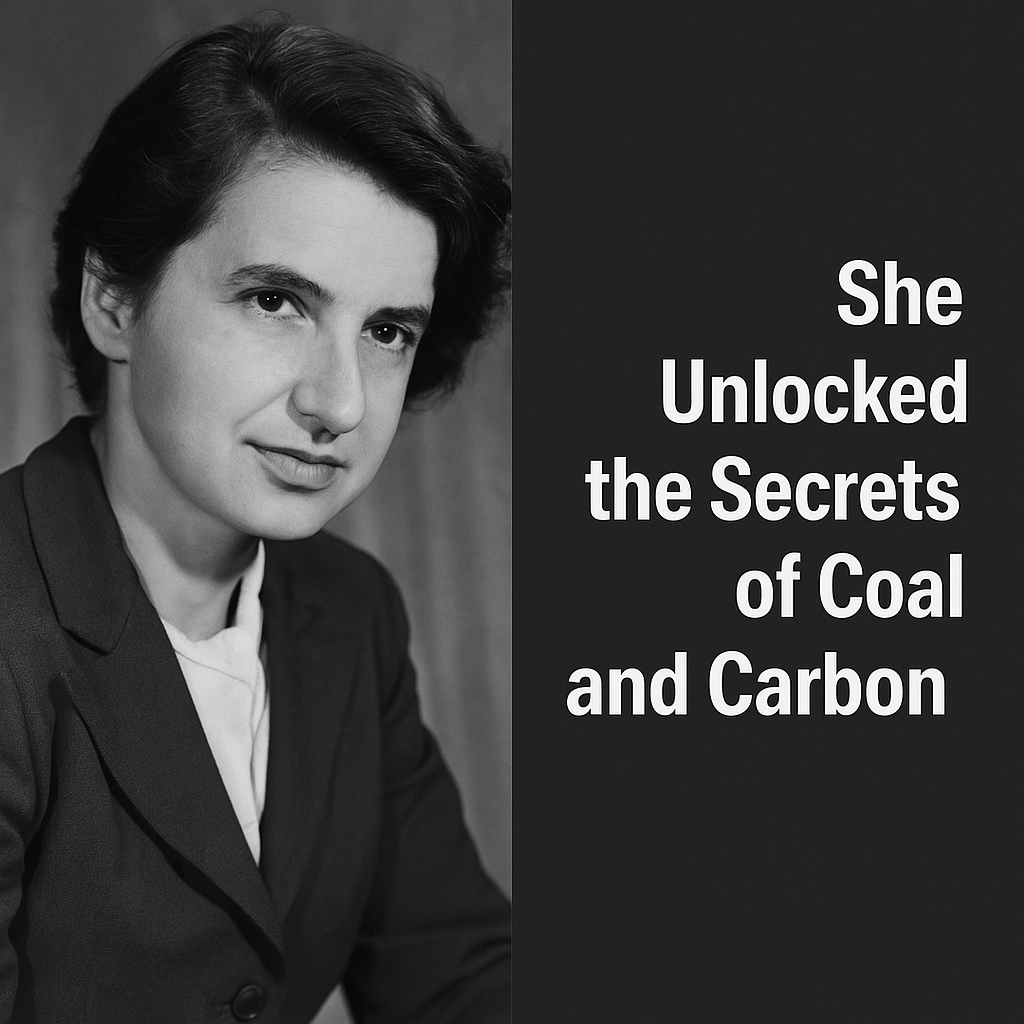
  4. She Unlocked the Secrets of Coal and Carbon Before her work on DNA, Franklin conducted groundbreaking research on the porosity and microstructures of coal and graphite. This had practical applications during WWII for improving gas masks and fuel efficiency.
  5. She Nearly Discovered the DNA Double Helix First Franklin’s own unpublished drafts and notes indicate she was very close to concluding the helical structure of DNA herself — independently of Watson and Crick. Some historians believe that given more time, she would have beaten them to the discovery.
  6. Her Viral Work Set the Stage for Structural Biology Franklin’s research on viruses, especially with her team at Birkbeck College, laid the foundation for modern structural virology. She determined that some viruses are made of helical symmetry, a concept crucial in modern vaccine design.
  7. She Was a Multi-Disciplinary Scientist Franklin’s career spanned physical chemistry, molecular biology, and virology. Her ability to shift disciplines and still produce pioneering work is rare and remarkable in the scientific community.
  8. She Worked Up Until Her Final Days Even as she battled ovarian cancer, Franklin continued her research. She was actively publishing papers and supervising students until just weeks before her death in 1958 at the age of 37.
  9. She Was Not Recognized by the Nobel Prize The Nobel Prize for the discovery of DNA’s structure was awarded in 1962 to Watson, Crick, and Wilkins. Franklin had passed away by then, and Nobel Prizes are not awarded posthumously. Many believe she would have been included had she lived.

Rosalind Franklin’s story is a reminder: Precision matters. Credit matters. And above all, science needs more voices like hers.

Let’s make sure her legacy never goes unspoken.