Did You Know Who’s the Father of Indian DNA Fingerprinting?


Did You Know Who’s the Father of Indian DNA Fingerprinting? Meet Dr. Lalji Singh

Have you ever watched a crime show where the police say, “We found the DNA match”?
That’s because of a science method called DNA fingerprinting. And in India, one amazing scientist brought this technology to us. His name was Dr. Lalji Singh, and he is known as the Father of Indian Genetic Fingerprinting.


Who Was Dr. Lalji Singh?

Dr. Lalji Singh was a great Indian scientist. He was born in a small village in Uttar Pradesh in 1947. His family was not rich, but he loved studying science. He worked very hard and followed his dream.

He became one of the top scientists in India.


What Is DNA Fingerprinting?

Every person has a special DNA pattern. It’s like your own secret code. DNA fingerprinting is a method used to find out someone’s identity using their DNA.

It can help in solving crimes, finding missing people, or even checking family relations.

Dr. Lalji Singh was the first person to bring this technology to India. That’s why he is called the Father of Indian DNA Fingerprinting.


How Did He Help India?

Dr. Singh’s work helped India in many important ways:

  • He helped solve many criminal cases using DNA fingerprinting.
  • He helped find the identity of people who died in disasters.
  • He used DNA to protect wildlife and study rare animals.
  • He helped in family disputes by checking DNA for parentage.

More Cool Facts About Him

  • He worked at the Centre for Cellular and Molecular Biology (CCMB) in Hyderabad.
  • He became the Vice-Chancellor of Banaras Hindu University (BHU).
  • He loved science so much that he kept working even after retirement age.

A Thought to Remember

“Science is the key to solving many mysteries — from the crime scene to the jungle.”

This idea is inspired by the amazing work Dr. Lalji Singh did during his life.


Why He Is Important

Dr. Lalji Singh proved that even a person from a small village can change the world with knowledge and hard work. He made India proud and inspired many young minds.

Next time you hear about DNA in the news, remember the Indian scientist who made it all possible — Dr. Lalji Singh.
Think You Know Charles Darwin? Discover the Hidden Side of the Evolution Icon

Early Life and Education

  • Born on February 12, 1809, in Shrewsbury, England.
  • Came from a wealthy family — his grandfather Erasmus Darwin was also a respected naturalist.
  • Initially studied medicine at the University of Edinburgh, but dropped out due to a dislike of surgery.
  • Later enrolled at Cambridge University to study theology — but his real passion was natural science.

The Voyage of the HMS Beagle

  • In 1831, Darwin joined HMS Beagle as a naturalist for a 5-year scientific voyage around the world.
  • The Galápagos Islands had a profound impact on his thinking about species variation and adaptation.
  • He observed finches with different beak shapes — later key to forming his theory of natural selection.
  • During the voyage, he collected thousands of specimens, many of which were previously unknown to science.

Theory of Evolution

  • Darwin’s theory proposed that species evolve over time through natural selection.
  • He waited over 20 years to publish his findings, fearing backlash from the religious and scientific communities.
  • In 1859, he published “On the Origin of Species”, a landmark work in biology.
  • The book sold out on the first day and changed scientific thought forever.
  • He described “descent with modification”, the idea that all species share common ancestors.

Scientific Impact

  • Darwin’s work laid the foundation for modern evolutionary biology.
  • He was the first to explain adaptation and speciation through natural mechanisms.
  • His theory has since been supported by genetics, fossil evidence, and molecular biology.
  • Although controversial at first, evolution is now a cornerstone of biological science.

Later Life and Legacy

  • Darwin suffered from chronic illness for much of his life, possibly Chagas disease or psychosomatic disorders.
  • He was buried at Westminster Abbey, near Sir Isaac Newton — a rare honour for a scientist.
  • Today, Charles Darwin is recognized as one of the most influential scientists in history.

“Mind-Blowing DNA Facts You Did not Know!”


DNA Fun Facts

  1.  You share 99.9% of your DNA with every other human! That tiny 0.1% makes each of us unique.
  2. If you stretched out all the DNA in your body, it could reach the sun and back… 600 times! Yes, your DNA is super long when unwound.
  3. Bananas share about 60% of their DNA with humans! You’re more like a banana than you thought.
  4. You have about 20,000 to 25,000 genes. These genes act like instructions for your body.
  5. You get half of your DNA from your mom and half from your dad. That’s why you might have your mom’s eyes and your dad’s nose.
  6. DNA is in every cell of your body — except red blood cells! Red blood cells don’t have a nucleus, so no DNA there.
  7. Identical twins have nearly the same DNA — but not 100%! Tiny differences can still exist due to mutations.
  8. Your DNA can be used like a fingerprint. That’s why it helps in solving crimes or proving family relationships.
  9. DNA stands for Deoxyribonucleic Acid. Try saying that 5 times fast!
  10. Most of your DNA doesn’t code for anything. Scientists used to call it “junk DNA,” but now they’re finding it might have hidden functions.
  11. Some viruses insert their DNA into yours. About 8% of your DNA actually comes from ancient viruses!
  12. In 2003, scientists finished mapping all human genes. This was called the Human Genome Project — a huge breakthrough in biology.
  13. You can store your entire DNA code in a file smaller than a digital photo. DNA stores information in an extremely compact way.
  14. DNA is shaped like a twisted ladder — a double helix. This shape helps it copy itself perfectly during cell division.
  15. You can get your DNA tested to learn about your ancestry. Want to know where your great-great-grandparents came from? DNA can help!


Rosalind Franklin : The Unsung Hero Who Discovered Double Helix

Rosalind Franklin:

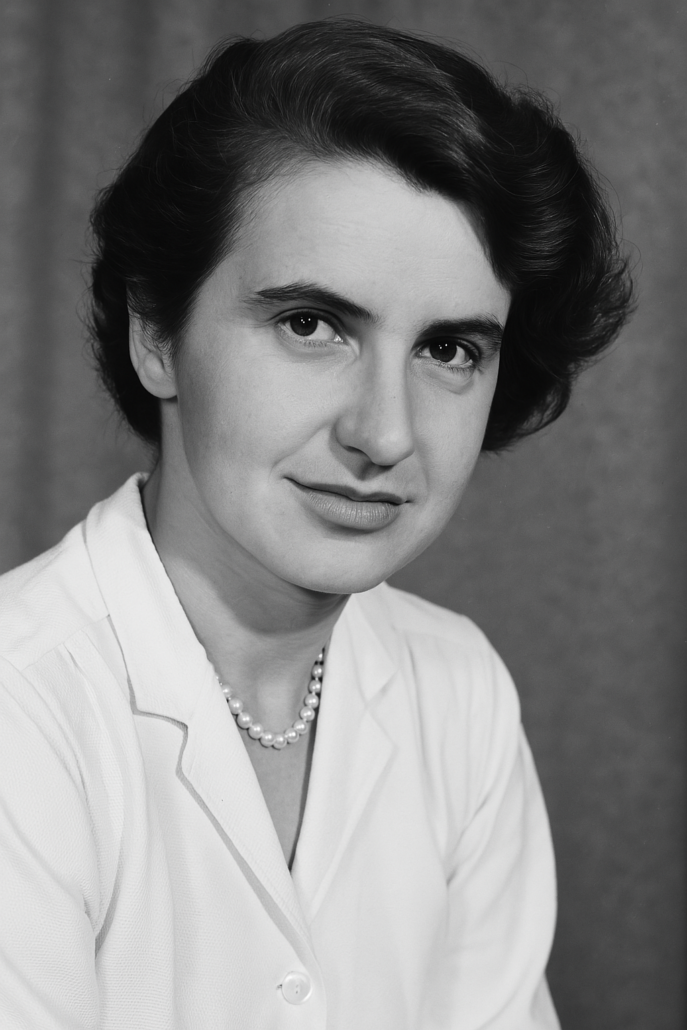
Rosalind Franklin was born on July 25, 1920, in London, England. She showed a strong interest in science and math from a young age. She studied chemistry at Cambridge University, one of the top universities in the world.

Rosalind Franklin’s Achievements:

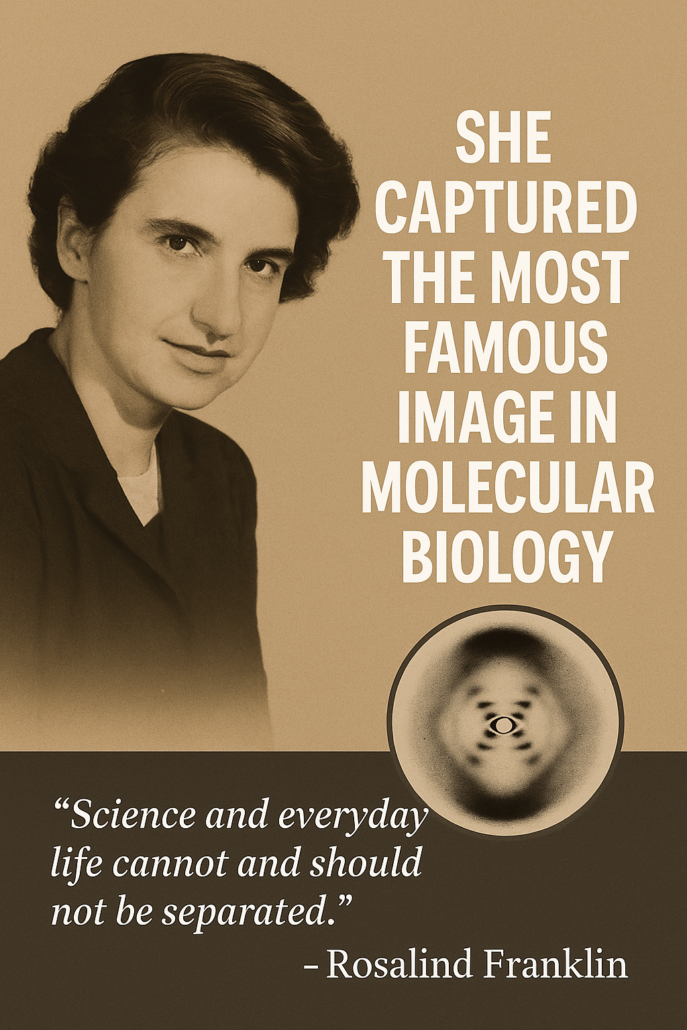
  1. She Captured the Most Famous Image in Molecular Biology Rosalind Franklin took “Photograph 51”, a critical X-ray diffraction image of DNA. This image provided the first clear evidence that DNA has a helical structure, which directly led to the model proposed by Watson and Crick.
  1. She Pioneered Two Fields: DNA and Viruses While she is most famous for her DNA work, Franklin made significant contributions to virology. Her work on the tobacco mosaic virus (TMV) revealed that its RNA is located inside a hollow cylindrical protein shell — a major advancement in understanding viral structure.
  2. Her Work on DNA Was Shared Without Her Permission Maurice Wilkins, a colleague at King’s College, showed Franklin’s Photograph 51 to James Watson without her knowledge. This played a crucial role in Watson and Crick’s double helix model — yet Franklin wasn’t credited properly at the time.
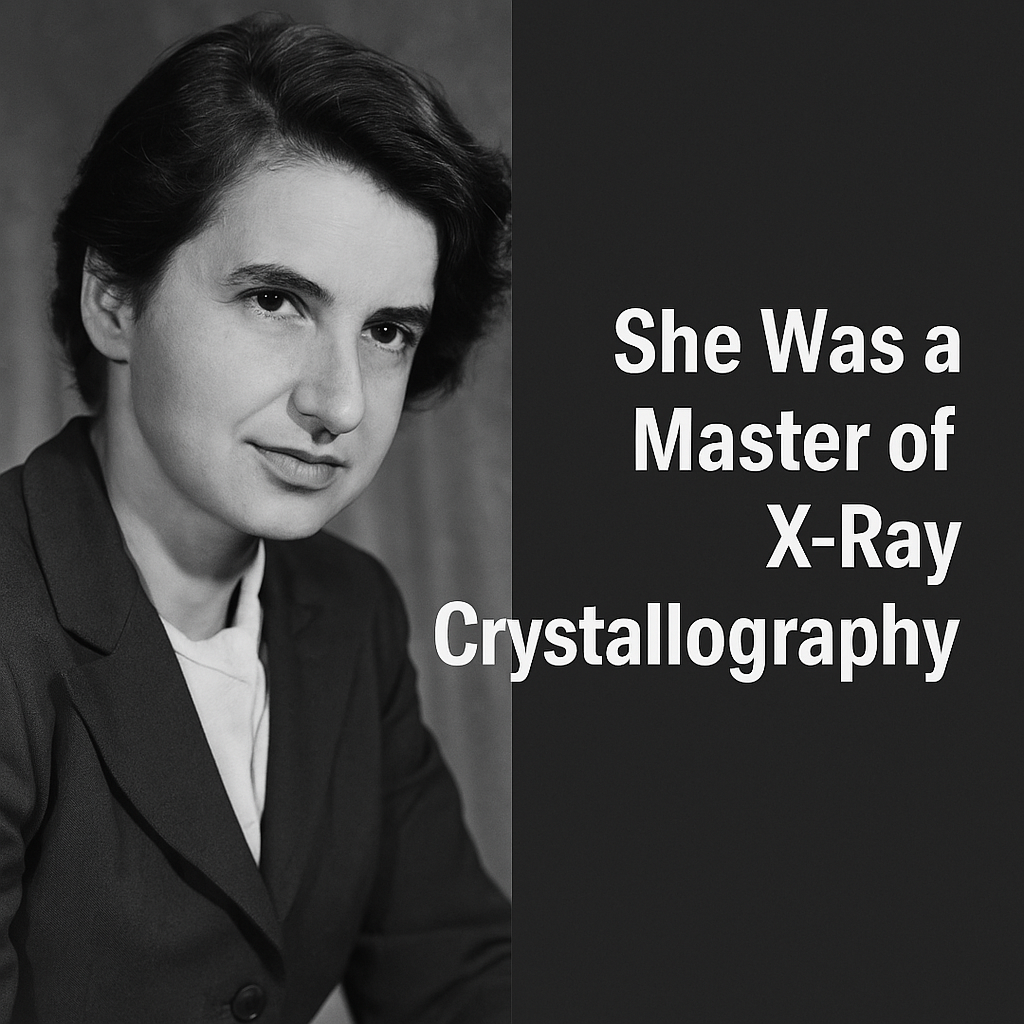
  3. She Was a Master of X-Ray Crystallography Franklin was a world expert in X-ray crystallography, a technique that reveals molecular structure. Her precise and methodical work allowed her to capture incredibly detailed images of complex molecules, including coal, graphite, DNA, and viruses.
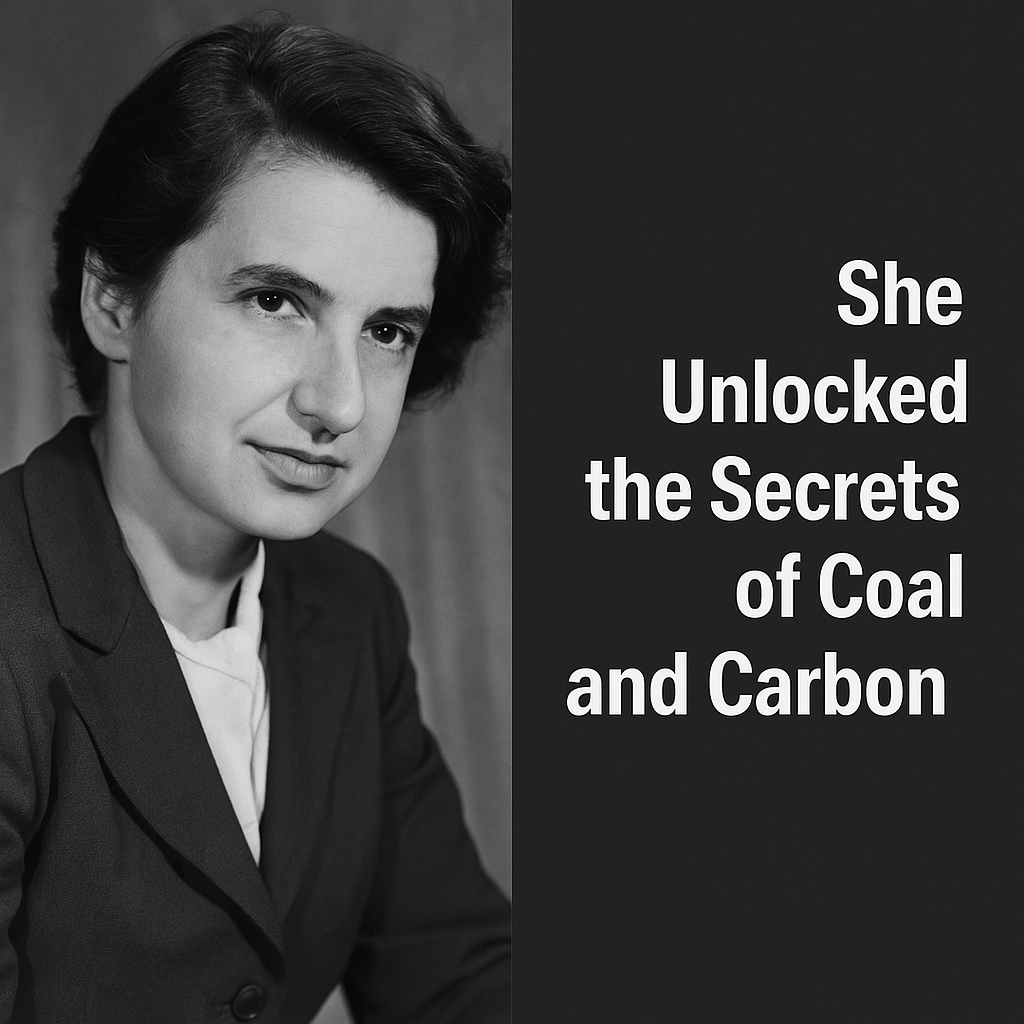
  4. She Unlocked the Secrets of Coal and Carbon Before her work on DNA, Franklin conducted groundbreaking research on the porosity and microstructures of coal and graphite. This had practical applications during WWII for improving gas masks and fuel efficiency.
  5. She Nearly Discovered the DNA Double Helix First Franklin’s own unpublished drafts and notes indicate she was very close to concluding the helical structure of DNA herself — independently of Watson and Crick. Some historians believe that given more time, she would have beaten them to the discovery.
  6. Her Viral Work Set the Stage for Structural Biology Franklin’s research on viruses, especially with her team at Birkbeck College, laid the foundation for modern structural virology. She determined that some viruses are made of helical symmetry, a concept crucial in modern vaccine design.
  7. She Was a Multi-Disciplinary Scientist Franklin’s career spanned physical chemistry, molecular biology, and virology. Her ability to shift disciplines and still produce pioneering work is rare and remarkable in the scientific community.
  8. She Worked Up Until Her Final Days Even as she battled ovarian cancer, Franklin continued her research. She was actively publishing papers and supervising students until just weeks before her death in 1958 at the age of 37.
  9. She Was Not Recognized by the Nobel Prize The Nobel Prize for the discovery of DNA’s structure was awarded in 1962 to Watson, Crick, and Wilkins. Franklin had passed away by then, and Nobel Prizes are not awarded posthumously. Many believe she would have been included had she lived.

Rosalind Franklin’s story is a reminder: Precision matters. Credit matters. And above all, science needs more voices like hers.

Let’s make sure her legacy never goes unspoken.